Biometric applications for immigration
Les applications de la biométrie pour l'immigration
The biometric passport
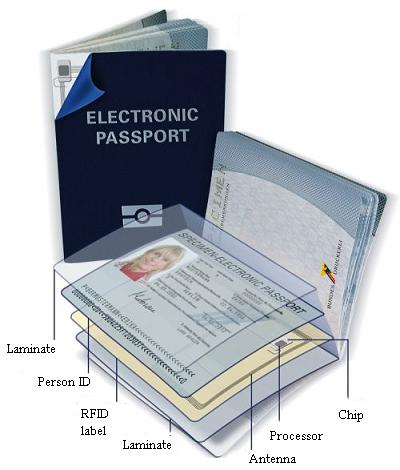
The biometric / electronic passport (e-passport) has been required by the USA after the 9/11 event. It is not a biometric system per se as it is only a storage for biometric data. As of 2015, it mainly contains the face and the fingerprint.
(2015) Map from the ICAO PKD
This map shows the status of e-passport in the world. Click to get a very large image.
Hong-Kong
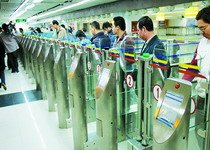
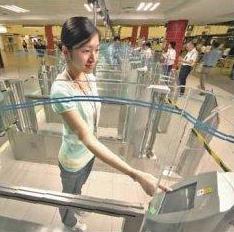
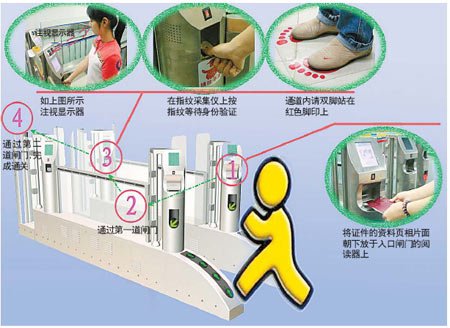
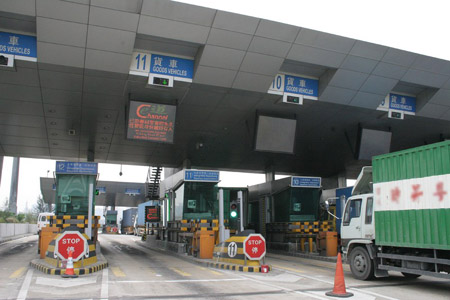
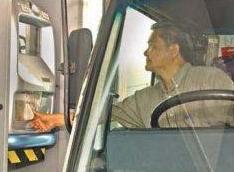
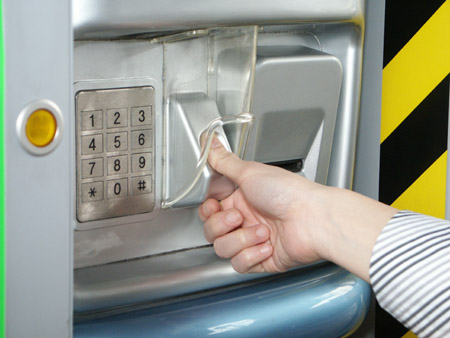
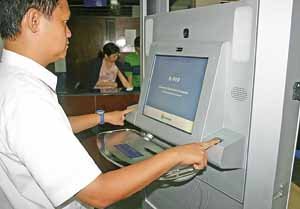
(2004) Hong-Kong is checking their citizen at borders (well before the e-passport exists). Lok Ma Chau border control & Lo Wu Control Point
USA
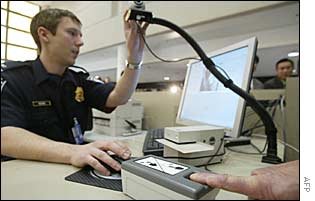
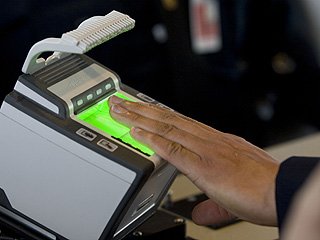
USA are checking fingerprint and face foreigners at border. USA requires a "biometric" passport, which is not so "biometric" as it is only a passport with a RFID memory chip that electronically stores the printed data, and so the face. It will be possible in the future to store fingerprint, iris, but this is not mandatory at the moment.
(2008) USA moves to a slap device: 4 fingers are captured at the same time.
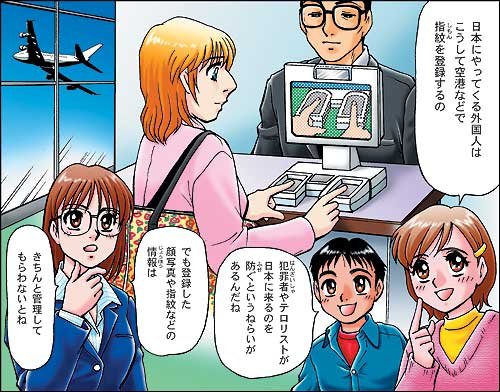
Japan
(2007 nov) Fingerprints and face capture at Narita airport. Note the simultaneous two indexes acquisition (better than USA :).
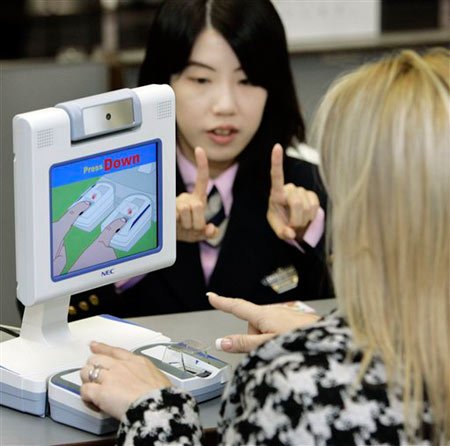
Macao, Portuguese consulate
Portuguese consolate accepts electronic passports. Have a look at the two index simultaneously acquired.
Travelers
Some airports started to offer paying facilities to faster cross the immigration control.
Netherlands
Privium
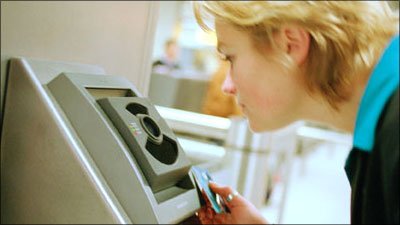
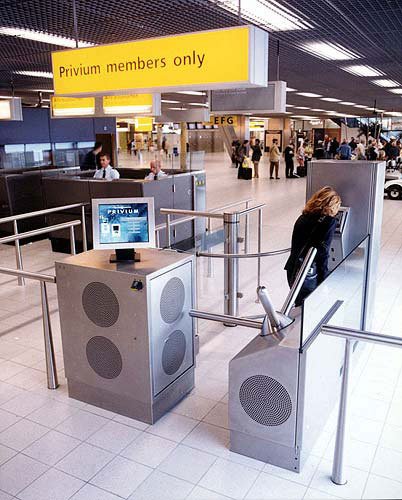
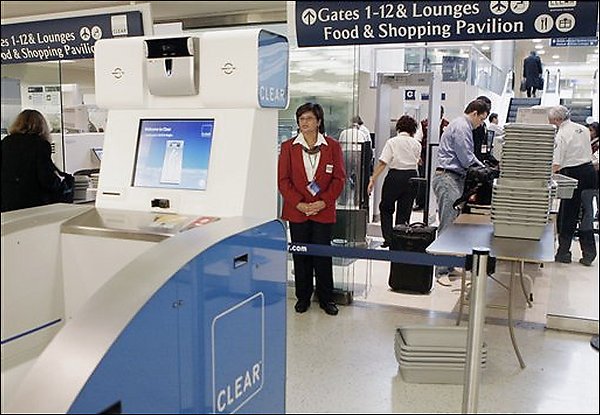
Clear Registered Travellers at JFK airport / San José airport
- (2007 Jan)
- (2009 Jun 22nd)"Clear lanes are no longer available."
Lessons to learn from the Clear kiosk program's demise (Caroline Cooper)
(In a nutshell)
The Clear program was supposed to make life easier for frequent travelers.
Members would simply swipe their Clear card at the program's airport kiosk, which would
then read their biometric data (fingerprint and iris scans) and submit approval for
the attending Clear agent to take them through a special, expedited security line.
But the company never was able to properly implement that model.
The technology that they chose did not meet any of the TSA requirements,
meaning that Clear travelers that got to the security checkpoint still needed
to take their laptop out, still needed to remove their shoes,
because you couldn't integrate Clear into a TSA line.
Military control
Iraq / US
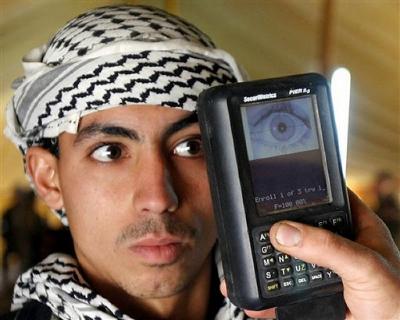
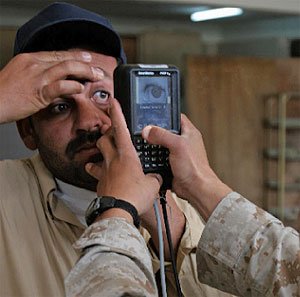
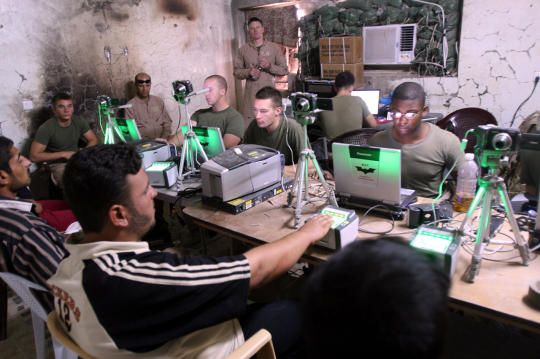
(2007) Iris check of people entering Fallujah. Securimetrics material.